
Introduction
Displacement of a root or tooth fragment into the maxillary sinus is a complication most dentists will face at some point. It usually occurs during extraction of maxillary posterior teeth with close sinus proximity—often due to excessive apical force, poor visibility, or suboptimal instrument selection.
When it happens, you have three options:
- attempt retrieval
- refer the patient
- leave the fragment
Let’s be clear:
Referral is always a valid and safe option. Leaving the fragment is generally not recommended (risk of sinusitis, infection, medico-legal issues).
If you decide to attempt retrieval, the key question is: “Can I remove it safely without causing more harm?”

Initial Assessment
Before doing anything:
Most important part is to stay calm, you have to remind yourself that it happens! And now is the time to remember the management this article for example.
- Inform the patient immediately
- Take a radiograph (preferably periapical or CBCT if available)
- Use magnification if possible
Evaluate:
- Size of the fragment
- Approximate location
- Size of sinus communication
- Your own experience level
- If unsure at any point → refer
Decision Path
Option 1 – Retrieve (if controlled and safe)
- Small fragment
- Accessible location
- Adequate visibility
- You have experience
Option 2 – Refer (most common and safest)
- Deep displacement
- Poor visibility
- Large sinus involvement
- Patient risk factors
- This is not failure — it’s good clinical judgment, other specialists exist for a reason.
Option 3 – Leave (generally avoid)
May lead to:
- sinusitis
- chronic infection
- legal issues

Retrieval techniques (stepwise approach, start with the least invasive method first)
Patient Positioning & Gravity Technique (usually this alone is not enough, but it’s a precursor for every other step, you use this in combination with retrieval techniques)
- Sit patient upright (not supine)
- Visualize where the fragment likely is
- Gently guide head movement (or ask patient to move head)
- The goal is to allow fragment to settle near the communication.
1) Suction or Gentle Valsalva
Suction:
Use surgical suction near the site. Sometimes enough if fragment is close.
Valsalva:
Before doing this maneuver, warn the patient that fragment might enter the oral cavity so you minimize the risk of swallowing or inhaling it. Ask patient to gently blow with nose pinched, the fragment may get expelled.
2) Irrigation + Suction Technique
- Irrigate sinus gently with saline using a syringe and suction immediately
- Repeat several times if needed
- This helps to mobilize fragments that are not directly accessible.
After trying everything what’s mentioned above you need to reassess:
- If opening is too small, fragment may not pass
- If already adequate → do NOT enlarge unnecessarily
Enlarging the communication creates:
- Bigger defect
- More complex closure
- Higher complication risk
3) Retrieval with an instrument ( “Fishing”)
If visible or near opening:
- Use an angled curette or other instrument
- Gently explore near the opening, but avoid blind deep probing.
- Sometimes fragment is just at the edge!
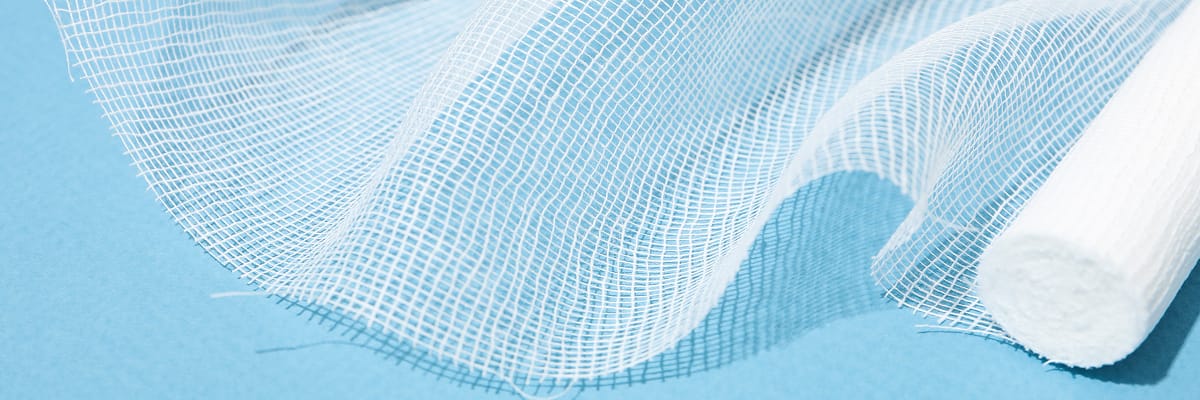
4) Gauze Retrieval Technique (Very Practical)
- Introduce sterile gauze gently into the sinus opening
- Insert enough to create contact
- Slowly withdraw
- Fragment may get entangled in gauze fibers
- Repeat if needed
Works well when fragments are mobile but not easily grasped, also it can help to move the fragment closer to the opening. You might need to repeat other steps mentioned above, usually you need a combination.
When to Stop and Refer
Stop immediately if:
- Fragment is not retrievable with simple methods
- Poor visibility
- Risk of further displacement
- Patient discomfort increases
- You feel unsure
Advanced techniques such as the Caldwell–Luc procedure should be performed by trained specialists.
Post-Operative Protocol
- Always take a post-op radiograph
- Document everything clearly
- Inform the patient
Prescribe the medicine according to sinus exposure guidelines.
Final Thoughts
This complication is not about avoiding mistakes entirely, it’s about how you manage them.
Key principles:
- Stay controlled and systematic
- Start minimally invasive
- Know when to stop
- Don’t let ego override judgment
- In many cases, referral is the best treatment
Prevention (Where It All Starts)
Most sinus displacements are preventable:
- Proper radiographic evaluation
- Understanding root anatomy, anatomical factors related to tooth position, age, symptoms (some patients before the procedure complain of discharge from the nose, or stuffiness, especially if it’s on one side of the face, a big red flag)
- Controlled luxation, with thin, but sharp instruments
- Avoiding excessive apical pressure, sometimes it’s usually better just to section the tooth right away into individual roots and get them out gently with atraumatic root forceps
Thin, sharp, specialized instruments and controlled technique reduce the need to use excessive force, which lowers the risk of complications like roots in anatomical spaces.
From Dentists to Dentists – A Quick Note
These articles are written from real clinical experience and are meant to share practical insights—not replace formal training or clinical judgment.
Every case is different. What works in one situation may not apply in another. Always evaluate your patient, use evidence-based guidelines, and make your own informed decisions.
Extra: Content is for licensed dental professionals only and reflects personal clinical experience, not clinical guidelines.