
Introduction
Most common is alveolitis (dry socket). Patients usually complain of dull, throbbing pain 3–4 days after an extraction. They often ask for antibiotics and may blame the dentist, suggesting a retained root or infection. How to tell it’s a dry socket and not an infection: the inflammation is local, no cellulitis, but neighboring teeth might be sensitive, there is a foul smell, and no blood clot is visible. Anamnesis is important although, patients very often smoke after the procedure, rinse their mouth or do sports activity, sauna this increases the risk of alveolitis. From an extraction perspective it’s more common after difficult extractions like trying your luck to extract some tooth with curved roots which clearly had all the clues for surgical extraction (sectioning), and instead of sectioning the tooth an elevator was used for 45 minutes, damaging all the surrounding bone and soft tissue.

Treatment
Inform the patient that, without intervention, pain usually subsides by about two weeks. If they present around day 7 you can still intervene; after 10+ days it’s often better to leave it alone because re‑intervention restarts healing.
Technique: provide a nerve block or local infiltration depending on the region — avoid anesthetics with epinephrine because vasoconstriction reduces bleeding, if blocks aren’t your strong side you can do simple local injection with epinephrine free anesthetic also try to fill the socket with the anesthetic, let it stay there’ for a minute, but beware and warn the patient that some pain is expected (it’s not a block after all, but something is better than nothing). Irrigate with an antiseptic solution (chlorhexidine 0.02% — NOT 2%, which irritates tissues). Scrape the gingival margins around the empty socket to remove necrotic tissue and induce bleeding. Once blood fills the socket you have two common options:
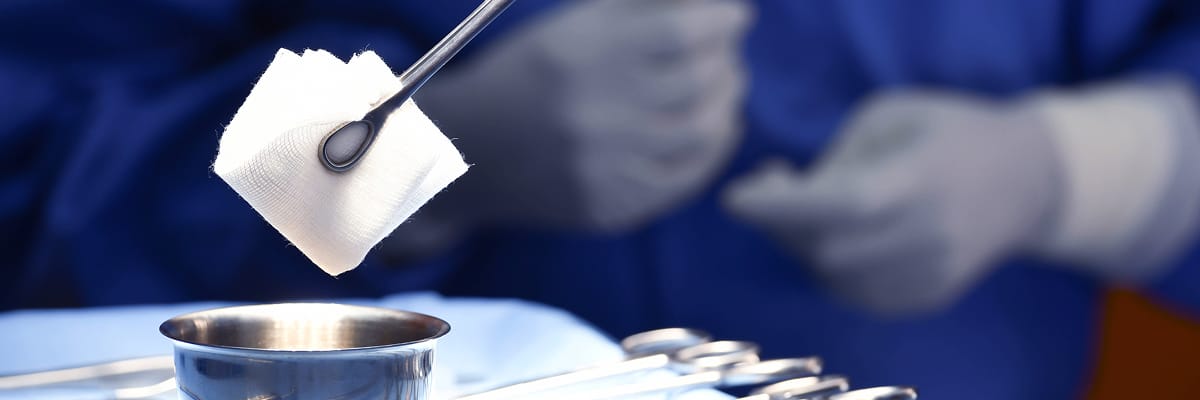
- Place a moist gauze for the patient to bite and allow clot formation, or
- Place a specialised medication (e.g., Alveogyl) for pain relief. If using Alveogyl, do not compress it tightly, add enough to fill the socket but let it mix with blood to form a new clot. Compression can act as a tamponade and can stop the bleeding, actually you want bleeding for new clot formation. Then give the patient a gauze to bite; make sure the gauze is wet so it won’t adhere to the new clot (clot might stick to it during the removal process).
Advise the patient that pain should start subsiding by day 2–3. Recommend an antibacterial mouth rinse after 24 hours; instruct them to take a small sip and tilt the head side to side without vigorous swishing (swishing can dislodge the clot). No straws, no spitting, and avoid smoking for at least 4 hours (longer is better). Encourage gentle toothbrushing away from the extraction site — do not swish toothpaste out; a paper towel can be used to dab residue, and patients need to be mindful of taking out the gauze – do it slowly and don’t try to spit it out. Advise against sauna or intense sports for a short period. Usually, one dry‑socket management visit is sufficient.
Bleeding
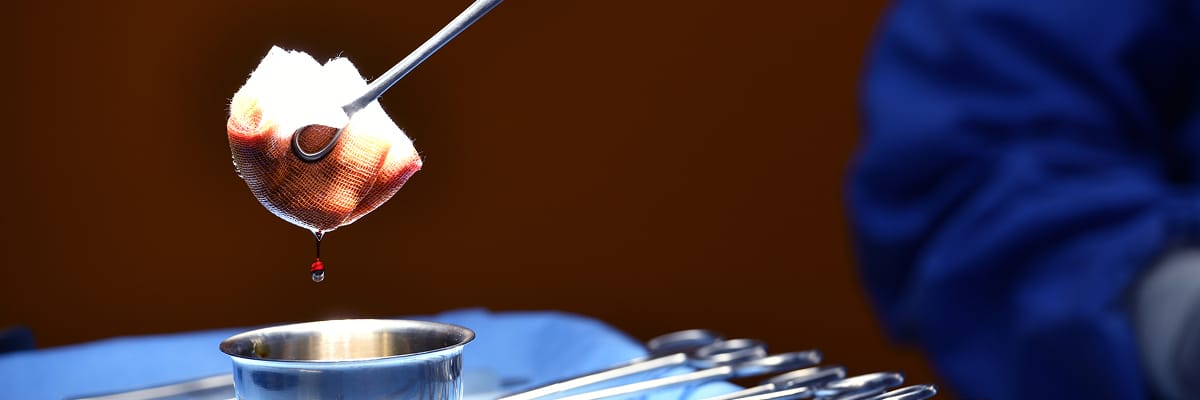
Post‑extraction bleeding is usually due to either medication (coagulopathy/anticoagulants) or a damaged blood vessel. Normally bleeding should stop within 8 hours; persistent bleeding suggests a problem. When assessing a bleeding patient ask yourself: Can I control this, or does the patient need ER/specialist care?
Danger zones could be named as the lingual artery or a greater palatine vessel. Palatal bleeding can be managed in the ‑office with appropriate technique; lingual artery bleeding is more complex and often warrants referral or ER management. In all cases apply firm pressure, usually 5 minutes of continuous pressure is effective (time it; during the procedure 5 minutes can feel much longer). If pressure is released too soon the bleeding may recur.
For localised oozing, try to identify the spot and burnish it with a burnisher or crush it with a flat instrument (e.g., periosteal elevator). If bleeding is medication‑induced, ER evaluation for clotting factor reversal or specific therapy may be required.
In‑office hemostatic measures that often work:
- Hemostatic sponges (with aluminium sulfate products such as Alustat) placed into the socket, however they will shrink fast. You could also douce a cotton pellet and leave it in the socket for a few minutes, followed by firm compression for several minutes. But usually, just a simple medication free hemostatic sponge is sufficient
- Place tight sutures to secure the clot.
- Consider electrocoagulation if available, but be mindful of nearby vital structures and the risk of thermal bone necrosis.
If these measures fail, refer to ER or an oral and maxillofacial surgeon.
From Dentists to Dentists – A Quick Note
These articles are written from real clinical experience and are meant to share practical insights—not replace formal training or clinical judgment.
Every case is different. What works in one situation may not apply in another. Always evaluate your patient, use evidence-based guidelines, and make your own informed decisions.
Extra: Content is for licensed dental professionals only and reflects personal clinical experience, not clinical guidelines.