
Introduction
If you searched for “broken root extraction”, you’re in the right place. This article is written by dental professionals for dental professionals and focuses on practical, clinical advice. Radiographs (preferably a panoramic X‑ray) are essential before attempting any extraction, both for anatomy and for medico‑legal reasons.
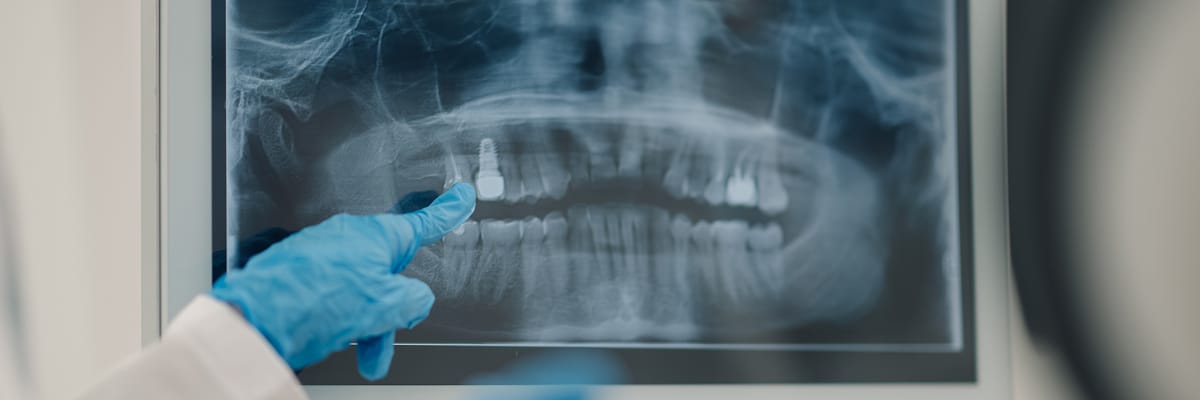
Pre‑op evaluation
Radiographic assessment: Determine if the root is endodontically treated (filled) — treated roots are more brittle and prone to fracture. Check root curvature carefully; a seemingly straight case can hide severe curvature. Note the Periodontal ligament (PDL): If the PDL space is absent radiographically (more visible with single tooth x-ray), suspect ankylosis. Surrounding anatomy: Note proximity to the maxillary sinus, inferior alveolar canal, and adjacent tooth roots. These structures have a big impact on the approach.
Decision: closed vs. surgical
Decide early whether a flap and surgical access are required.
Indications for surgical approach:
- Ankylosed roots
- Multi‑rooted teeth in dense bone
- Roots with large curvature surrounded by bone
- High risk of displacement into sinus or vital spaces
Roots under the soft tissues
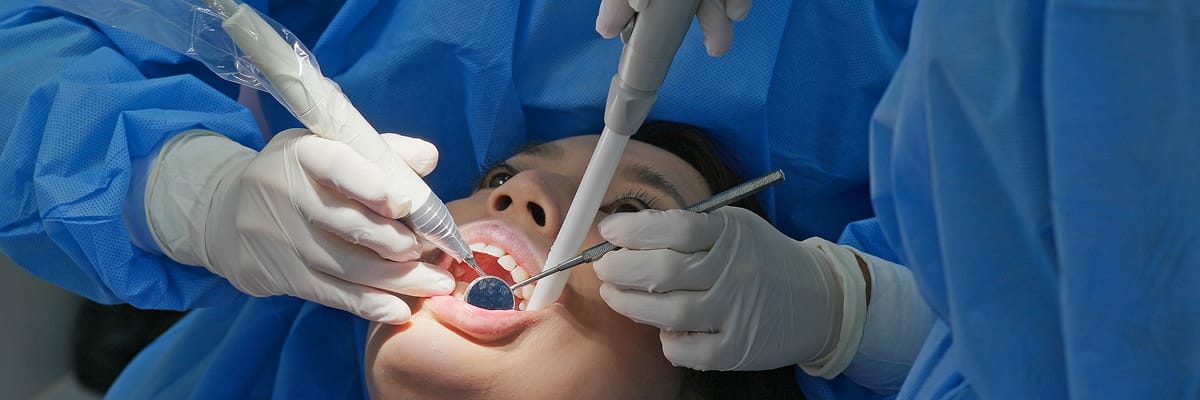
Stepwise atraumatic technique:
Flap: If you will need direct access or bone removal, raise a flap.
- PDL detachment: Gently release the gingiva and detach the PDL with thin luxators or periotomes. Always aim for atraumatic technique; if you go straight for forceps, it might cause tissue tearing, which will increase the healing period and bleeding.
- Find a purchase point: Use thin, sharp luxators and periotomes to engage around the root. Apply gradual, controlled pressure and a wiggling motion to sever the PDL — avoid aggressive levering (this might bend or even break the instrument). Be especially cautious in the maxilla; misplaced instruments (if you contact more of the root instead of root-PDL-bone interface) can push fragments toward the sinus. Be mindful of the force that you’re using; you don’t need a lot of force with quality instruments. Granulation tissue may obscure your view and increase bleeding; clear it or irrigate as needed.
Multi‑rooted teeth: If fragments don’t mobilise, don’t keep tugging — proceed surgically. Remove the intraradicular bone rather than thinning the buccal or lingual cortical walls. Drill mesially and distally around roots to preserve cortical plates (be mindful of close proximity to the next tooth, sometimes roots are touching!) where possible. For lower molars, side‑specific elevators (Cryer-style Left-12mm, Right-12mm, Left-9mm, Right-9mm) are helpful for curved roots; a straight luxator can work, but use side-specific instruments for curved anatomy. Sometimes inexperienced dentist lose their wits – they remove a lot of intraradicular bone, and then they go for buccal plate because the root is stuck – bucco-lingual, you should avoid doing this instead: try to split it sagittally and then use a thin luxator/forceps to break the piece (it’s better if you get rid of the lingual part, and then try to move the buccal fragment into the empty space that you just created.
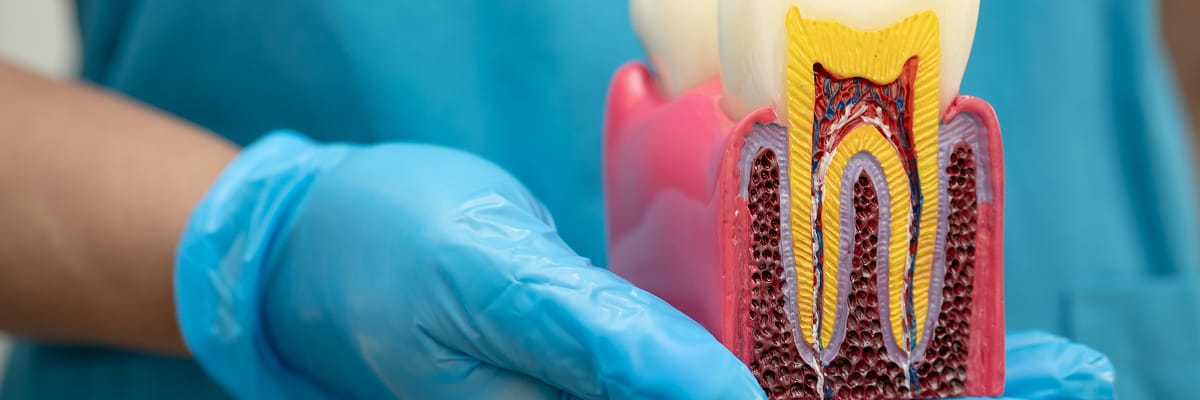
Small root tips and special instruments
- Root tip picks (e.g., Heidbrink double‑ended) excel for small fragments. They minimize apical pressure and reduce the risk of pushing fragments into the sinus or inferior alveolar canal. Beware of the sharp ends — they can perforate a sinus membrane (small perforations ~2 mm often heal on their own) or injure neurovascular bundles if excessive buccal pressure is applied(inferior alveolar nerve is usually located buccally).
High‑magnification loupes improve visualization and control.
A thin surgical suction tip can sometimes engage and retrieve tiny fragments. If it grips but won’t lift, try gentle rotational movements (like rolling a pen between your thumb and index finger) so the fragment’s bulbous portion can bypass interference.

When to refer or to leave the fragment?
- Reassess if removal risks more harm than leaving the fragment. Always inform the patient (ideally before the procedure — x‑rays help set expectations) there’s saying if you tell before – it’s a risk, if it’s after – an excuse. If you must leave a fragment, document location and rationale. General rules:
- Mandibular canal involvement: remove — high risk of hemorrhage and nerve injury.
- Soft tissue space displacement (submandibular, sublingual, masticator spaces): this would most likely go straight away to Maxillofacial surgeon.
Sinus: small fragments are sometimes left but may cause later sinusitis — consider referral for sinus assessment (there’s a few tricks that you could use to take the fragments. Read the next article.)

Managing fenestrations, bulbous roots, and slipping fragments
Absent buccal bone (common in maxillary teeth, especially when there’s apical destruction) may allow a root to slip into a soft tissue pocket. If the fragment “pokes” or lifts the gingiva during extraction:
- Apply firm, controlled pressure from the buccal side on the gingiva with your finger to prevent it slipping into the space
- Then try surgical suction or a root tip pick to retrieve it.
- If needed, make a small incision and express the fragment through lateral access.
Final tips and takeaways
- Radiographs are essential.
- Thorough evaluation (root fill status, PDL, curvature, nearby anatomy) directs strategy.
- Use the right tools — not a 5 mm elevator for a 2 mm root tip (pun intended).
- Prefer atraumatic technique; know when to switch to a surgical approach.
- Always inform and document; refer when risk exceeds your scope.
Good luck, and may your elevators remain unbent and your roots cooperative.
Exitooth Team – From dentists to dentists
These articles are written from real clinical experience and are meant to share practical insights—not replace formal training or clinical judgment.
Every case is different. What works in one situation may not apply in another. Always evaluate your patient, use evidence-based guidelines, and make your own informed decisions.
Extra: Content is for licensed dental professionals only and reflects personal clinical experience, not clinical guidelines.